

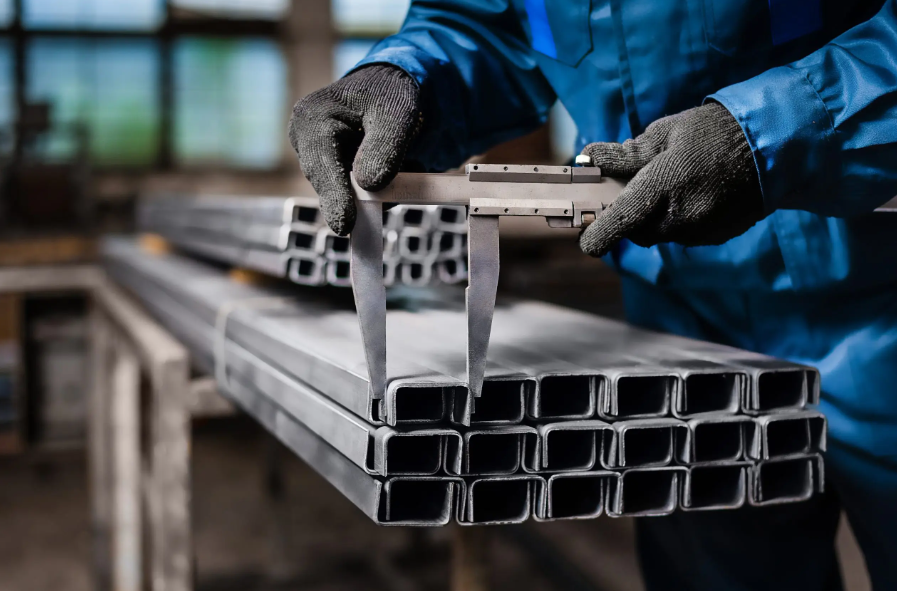
Sheet fabrication is everywhere. We often overlook it. Cars, electronics, buildings—many items around us start as simple metal sheets. And turning those sheets into useful parts is not straightforward. Sheet metal fabrication is more than cutting or bending. It involves planning, skill, and understanding the material. Even a small error can affect how a part performs or lasts.
Precision matters
Precision is key. A small mistake in a car door panel—misaligned edges or a slight warp—can affect safety. A tiny error in electronics might cause overheating. Metals do not always behave as expected. They stretch. They spring back. They resist in ways that can surprise a machine. Machines help, yes, but humans guide them. Experienced fabricators know how much pressure to apply. They know where. They watch the material while it bends or cuts.
Bending metal is tricky. Stainless steel resists. Aluminum can warp. Copper may tear. Press brakes assist. But experience makes the difference. Some things cannot be measured. Some things are instinct. Fabricators anticipate. They adjust.
Choosing the right metal
Material choice is not simple. Stainless steel is strong. It resists rust. But it is heavy. Aluminum is light. Flexible, too. But different alloys behave differently. Copper conducts electricity well but is soft. Thickness adds another layer. Thin sheets warp under pressure. Thick sheets require more force, take longer, cost more. Skilled fabricators consider all of these factors. Before they cut. Before they bend.
Technology helps, it does not replace people
Technology has changed fabrication. CAD allows precise designs. CAM guides machines. CNC equipment follows instructions accurately. Lasers cut cleanly. Water jets prevent heat damage. But technology is not perfect. Metal reacts in real life. Humans must decide adjustments. They watch. They test. Machines cannot foresee everything. Technology amplifies skill. Does not replace it.
Applications are everywhere
Sheet metal fabrication touches many industries. Cars use it for frames, doors, panels. Electronics use it for cases, heat shields. Buildings use it for panels, supports, and roofing. Small errors matter. They affect safety, function, or appearance.
It also reaches creative fields. Designers make furniture, art, or decorative panels. Industrial techniques—cutting, bending, joining—apply here too. The metal must be strong. It must be usable. And sometimes, it also looks good.
Sustainability in Sheet Metal Fabrication
Sustainability is becoming a bigger concern in fabrication. Factories look for ways to reduce waste. Scrap metal is recycled whenever possible. Cuts are planned carefully. Every sheet counts. Energy usage is monitored too. Machines that consume less electricity are preferred. Even small changes matter. Over time, they make a difference. Companies benefit financially. And the environment benefits as well. Reducing waste is no longer optional. It’s essential.
Challenges shape expertise
Fabrication has challenges. Metal can warp. Crack. Bend incorrectly. Small mistakes may ruin the final product. Workers must plan steps carefully. Test parts when needed. Recycling adds complexity. Scrap metal must be minimized. Cuts must be efficient. Factories try to reduce waste. Efficient use saves money and resources.
Experience is critical. A worker who knows metal behavior avoids mistakes. Skill comes from practice. From hours spent bending, cutting, shaping. Each metal behaves differently. Each machine adds variables.
Future Trends in Sheet Metal Fabrication
The industry is changing rapidly. Automation is increasing. Robots handle repetitive tasks. Lasers cut more precisely. Water jets avoid heat damage. But humans still make key decisions. New alloys are lighter and stronger. Designs are more complex. 3D printing is starting to influence metal parts production. Standards are higher. Efficiency, quality, and sustainability drive innovation. Companies are experimenting with new methods to use less material. The industry will keep evolving. Sheet fabrication will continue to adapt. And human skill will remain central.
Conclusion:
In conclusion, sheet metal fabrication affects everyday life in ways many never notice. It is simple in concept but complex in execution. It shapes cars, electronics, buildings, and creative works. Machines assist, yes, but human knowledge is essential. Understanding metal, how it bends, how to cut and join it properly—these details make all the difference. Sheet fabrication is mostly invisible. But it influences almost everything we use. Without it, many aspects of modern life would not function properly.

